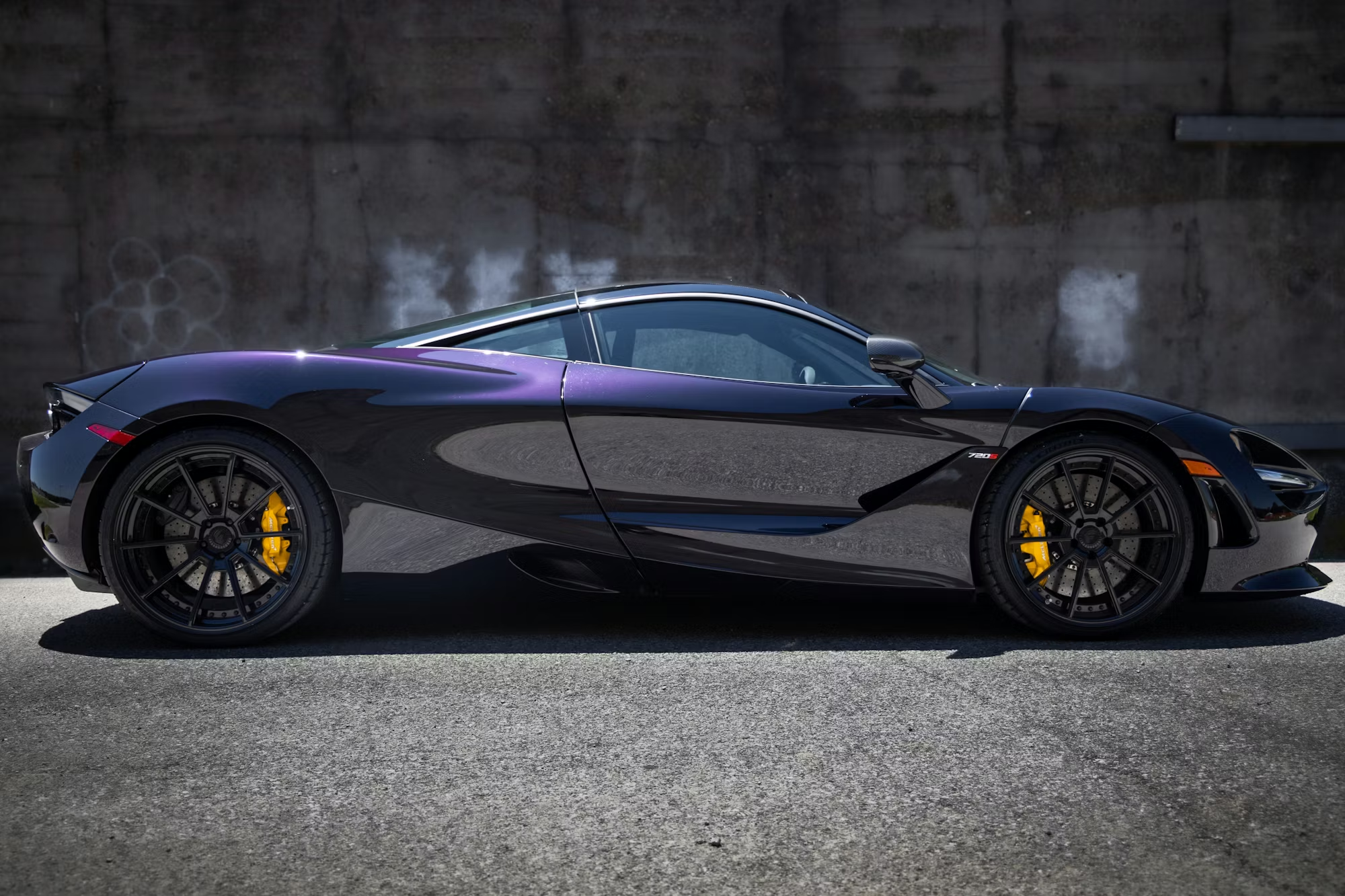
Hypercars represent the apex of automotive engineering, where speed, technology, and luxury converge to create vehicles that are not just modes of transport, but symbols of prestige and power. These extraordinary machines push the limits of what is possible, offering performance that was once only a dream. In this article, we will explore the defining characteristics of hypercars, highlight some of the most iconic models, and discuss the future of this thrilling segment of the automotive world.
What Defines a Hypercar?
While the term ‘supercar’ often refers to high-performance vehicles, ‘hypercar’ takes it a step further. Hypercars are typically characterized by their extreme speed, advanced technology, and exclusivity. They often feature powerful engines, lightweight materials, and sophisticated aerodynamics. Many hypercars incorporate hybrid technology, merging traditional internal combustion engines with electric motors to achieve both performance and efficiency.
To qualify as a hypercar, a vehicle usually needs to surpass the 1,000-horsepower mark and achieve extraordinary performance metrics, such as 0 to 60 mph in under three seconds and top speeds exceeding 200 mph. The combination of these elements makes hypercars not only formidable on the road but also remarkable engineering achievements.
Iconic Hypercars of the Past and Present
Several models have defined the hypercar category over the years, showcasing what is possible in automotive design and technology. One of the most revered is the McLaren P1, which debuted in 2013. This hybrid hypercar combines a twin-turbocharged V8 engine with an electric motor, producing a staggering 903 horsepower. The P1 not only delivers breathtaking speed but also emphasizes handling and driver engagement, making it a favorite among enthusiasts.
Another groundbreaking model is the Ferrari LaFerrari. Like the P1, the LaFerrari features a hybrid powertrain, pairing a naturally aspirated V12 engine with an electric motor to produce a combined output of 950 horsepower. The LaFerrari embodies Ferrari’s racing heritage while incorporating modern technology, resulting in a vehicle that is both powerful and agile. With its striking design and exceptional performance, the LaFerrari remains one of the most sought-after hypercars in history.
On the opposite end of the spectrum, the Bugatti Chiron stands as a symbol of luxury and speed. With a quad-turbocharged W16 engine producing 1,479 horsepower, the Chiron is engineered to reach an astonishing top speed of 304 mph, making it one of the fastest production cars in the world. Bugatti’s attention to detail and commitment to craftsmanship ensure that every Chiron is as luxurious as it is powerful, with bespoke options that allow owners to personalize their vehicles.
The Rise of Electric Hypercars
As the automotive industry shifts towards sustainability, electric hypercars are becoming increasingly prominent. Brands like Rimac and Lotus are leading the charge with their innovative electric offerings. The Rimac C_Two, for example, boasts an impressive 1,914 horsepower from its four electric motors, allowing it to accelerate from 0 to 60 mph in just 1.85 seconds. The C_Two exemplifies the potential of electric technology in delivering extreme performance while minimizing environmental impact.
Similarly, the Lotus Evija has made headlines as one of the world’s most powerful electric hypercars, featuring 2,000 horsepower and a sleek, aerodynamic design. Lotus aims to redefine what is possible in performance vehicles while adhering to sustainable practices. As battery technology continues to improve, electric hypercars are expected to dominate the future landscape of high-performance automobiles.
The Impact of Technology on Hypercar Design
Advancements in technology play a crucial role in the development of hypercars. Manufacturers are increasingly utilizing lightweight materials, such as carbon fiber and titanium, to enhance performance and efficiency. These materials not only reduce weight but also increase structural rigidity, allowing for better handling and safety.
Aerodynamics also plays a vital role in hypercar performance. Features like active aerodynamics, which adjust based on speed and driving conditions, enhance downforce and stability. The Porsche 918 Spyder is a prime example, with its sophisticated aerodynamic design that optimizes performance both on the road and track.
Moreover, hypercars often incorporate advanced driver-assistance systems (ADAS) and connectivity features that enhance the driving experience. These systems can improve safety, performance, and driver engagement, allowing for a more intuitive connection between the car and its driver. The integration of technology not only elevates performance but also ensures that hypercars remain relevant in a rapidly changing automotive landscape.
The Exclusivity Factor
One of the defining characteristics of hypercars is their exclusivity. Many hypercar manufacturers produce limited quantities of their vehicles, often resulting in long waiting lists and sky-high prices. For example, only 500 units of the Ferrari LaFerrari were produced, making it a rare gem that commands extraordinary prices in the collector’s market. This exclusivity adds to the allure of hypercars, making them coveted items for automotive enthusiasts and collectors alike.
In addition to limited production runs, hypercars often come with extensive customization options, allowing buyers to tailor their vehicles to their personal tastes. From bespoke interiors to unique paint finishes, the ability to personalize a hypercar adds a layer of luxury and individuality that is hard to replicate in more mass-produced vehicles.
The Future of Hypercars
Looking ahead, the future of hypercars promises exciting developments as manufacturers continue to innovate and redefine what is possible. With a growing emphasis on sustainability, we can expect more hybrid and fully electric models to emerge, pushing the boundaries of performance while minimizing environmental impact.
As technology advances, the integration of artificial intelligence and machine learning in hypercars may enhance the driving experience further. Features such as predictive analytics could optimize performance based on driving conditions, while advancements in autonomous driving technology may offer new levels of convenience and safety.
The hypercar segment will continue to captivate automotive enthusiasts, blending cutting-edge technology with the thrill of driving. As brands innovate and explore new frontiers, hypercars will undoubtedly remain at the forefront of the automotive industry, symbolizing the ultimate in performance, luxury, and prestige.
Conclusion
Hypercars represent the pinnacle of automotive achievement, showcasing the best that technology, design, and engineering have to offer. From iconic models like the McLaren P1 and Ferrari LaFerrari to the rise of electric alternatives like the Rimac C_Two, these vehicles embody the spirit of innovation and the relentless pursuit of performance. As we move into a future that prioritizes sustainability and technological advancement, hypercars will continue to evolve, captivating enthusiasts and inspiring the next generation of automotive pioneers.