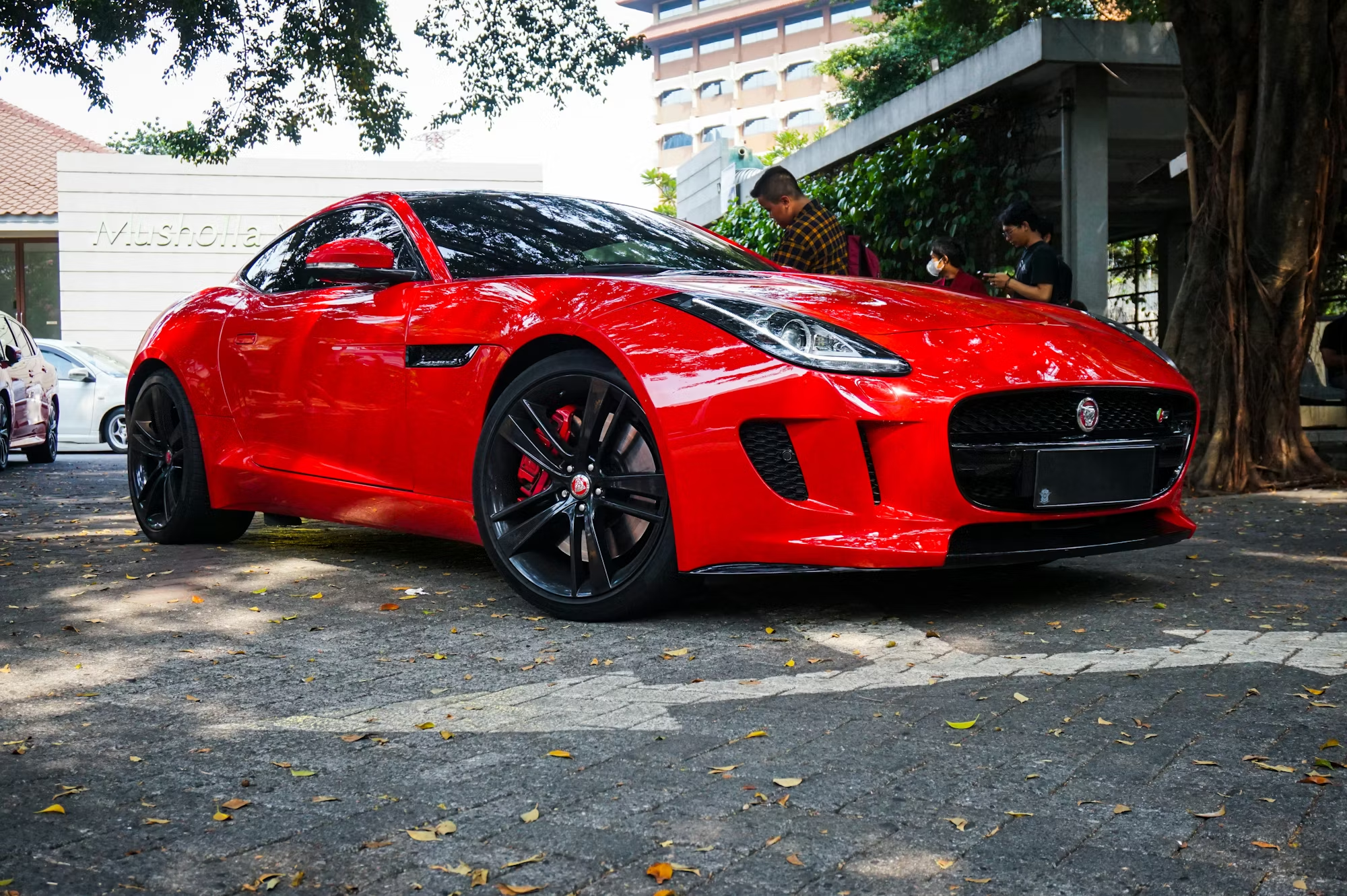
The world of supercars has always been a captivating realm where art and engineering converge to create vehicles that are not only incredibly fast but also visually stunning. The design of supercars is a complex interplay of aerodynamics, aesthetics, and cutting-edge technology, and it represents the pinnacle of automotive creativity. This article delves into the artistry and innovation behind supercar design, examining how these vehicles have evolved and what makes them truly exceptional.
At the heart of supercar design lies a commitment to performance. The very essence of a supercar is its ability to deliver exhilarating speed and precise handling. Manufacturers invest heavily in aerodynamic research to ensure that their vehicles slice through the air with minimal resistance. For instance, the Lamborghini Huracán features a sleek profile that not only looks aggressive but also enhances downforce, allowing it to maintain stability at high speeds. This focus on aerodynamics is essential, as it impacts not just speed but also fuel efficiency and overall driving dynamics.
In addition to aerodynamic efficiency, aesthetics play a crucial role in supercar design. The visual appeal of these vehicles often sets them apart from standard sports cars, transforming them into works of art. Take the Pagani Zonda, for example. Its flowing lines, unique front end, and intricate details reflect a meticulous design philosophy that prioritizes beauty alongside performance. The Zonda’s design is a testament to the vision of its creator, Horacio Pagani, who believes that a supercar should evoke emotion and inspire awe. This philosophy resonates throughout the automotive industry, as manufacturers strive to create cars that are not just machines, but also masterpieces of design.
Color and material choices are also fundamental to supercar aesthetics. The use of high-quality materials such as carbon fiber and aluminum not only contributes to lightweight construction but also offers opportunities for stunning finishes. Manufacturers often offer bespoke options, allowing customers to customize their vehicles to reflect their personal tastes. For instance, Aston Martin provides an extensive range of color palettes and interior finishes, ensuring that each car is a unique expression of its owner’s personality. This level of personalization enhances the allure of supercars, making them not just vehicles but cherished possessions.
The interior design of supercars deserves equal attention. The cabin of a supercar is where engineering meets luxury, providing an experience that is both high-tech and comfortable. Advanced infotainment systems, premium materials, and ergonomic layouts are carefully crafted to enhance the driving experience. The Ferrari 488 GTB, for example, features a driver-centric cockpit with intuitive controls and a blend of modern technology and classic Ferrari styling. This approach ensures that drivers feel connected to the car while enjoying the latest technological advancements, including advanced navigation systems and connectivity options.
As technology continues to advance, supercar manufacturers are at the forefront of innovation, integrating features that enhance both performance and safety. The McLaren P1, for instance, incorporates hybrid technology to achieve extraordinary performance while reducing environmental impact. Its innovative design includes active aerodynamics that adjust in real-time to optimize performance based on driving conditions. This integration of technology not only enhances speed but also elevates the driving experience, allowing drivers to push the limits of their vehicles with confidence.
Moreover, the rise of electric powertrains is reshaping the supercar landscape. Electric supercars like the Rimac C_Two are breaking records in both performance and efficiency. With instant torque and remarkable acceleration, electric supercars challenge traditional notions of speed and power. Rimac’s commitment to innovative design is evident in the C_Two’s sleek silhouette and advanced aerodynamics, demonstrating that electric vehicles can embody the same spirit of performance and excitement as their gasoline-powered counterparts.
The cultural impact of supercars cannot be overlooked. These vehicles have become symbols of status and success, often featured in films, music, and popular media. The sleek lines and powerful engines of supercars capture the imagination, inspiring dreams of speed and luxury. From iconic films like The Fast and the Furious to video games like Need for Speed, supercars occupy a unique place in popular culture, influencing how society perceives automotive excellence.
Looking ahead, the future of supercar design is likely to be influenced by an increasing emphasis on sustainability. As environmental consciousness grows, manufacturers are exploring innovative ways to create high-performance vehicles that are also eco-friendly. The development of sustainable materials and improved battery technologies will shape the next generation of supercars, allowing them to deliver exhilarating performance while minimizing their carbon footprint. This evolution represents a significant shift in the automotive industry, where performance and sustainability can coexist.
In conclusion, the art and innovation of supercar design embody the pinnacle of automotive excellence. From the aerodynamic efficiency that defines their performance to the stunning aesthetics that captivate enthusiasts, supercars represent a harmonious blend of art and engineering. As the industry continues to evolve, the commitment to innovation and sustainability will undoubtedly shape the future of these extraordinary machines. Supercars will continue to inspire passion and admiration, pushing the boundaries of what is possible in automotive design and performance.